
100 Strangers Project
My name is Pete Walker, and I take photographs of strangers… sometimes!
In 2012, a photography group I was involved with in Hong Kong organised a Stranger Shoot, inspired by the 100 Strangers Flickr group.
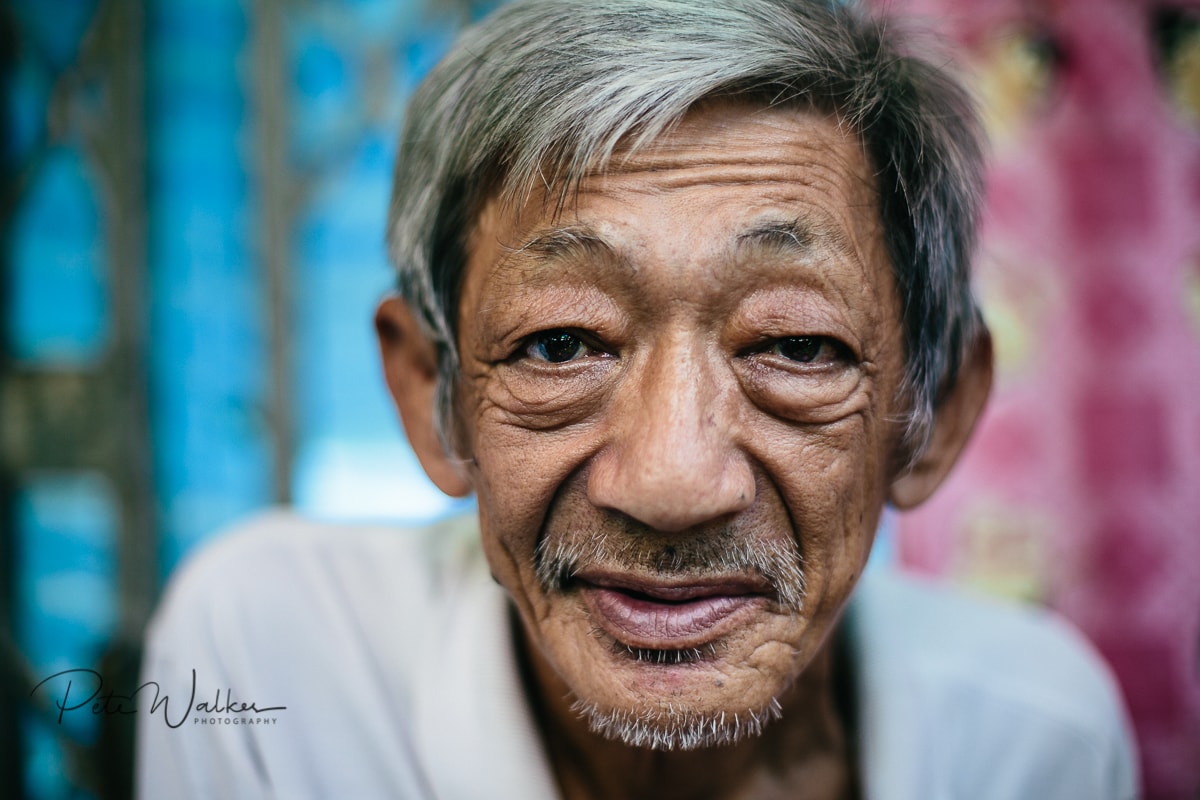
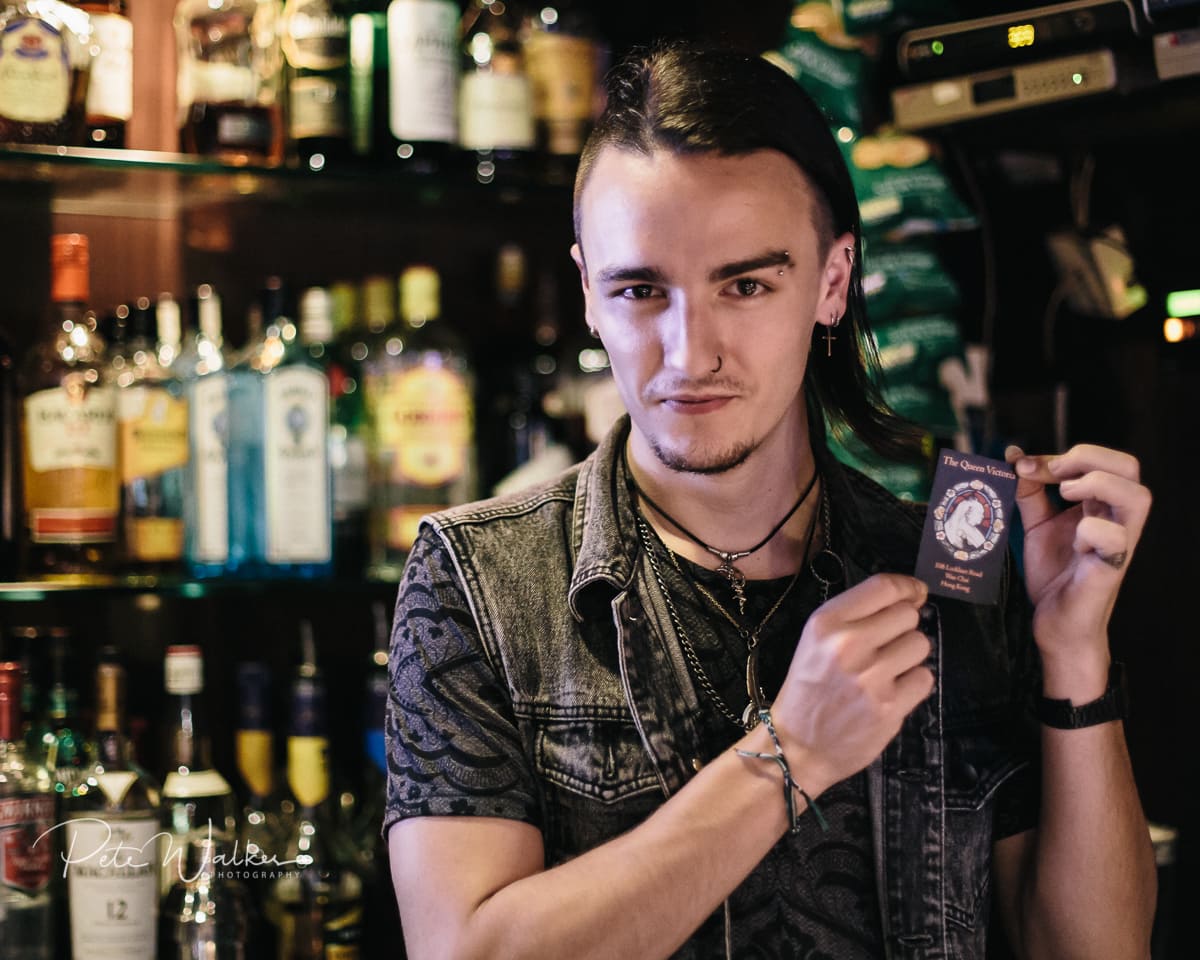
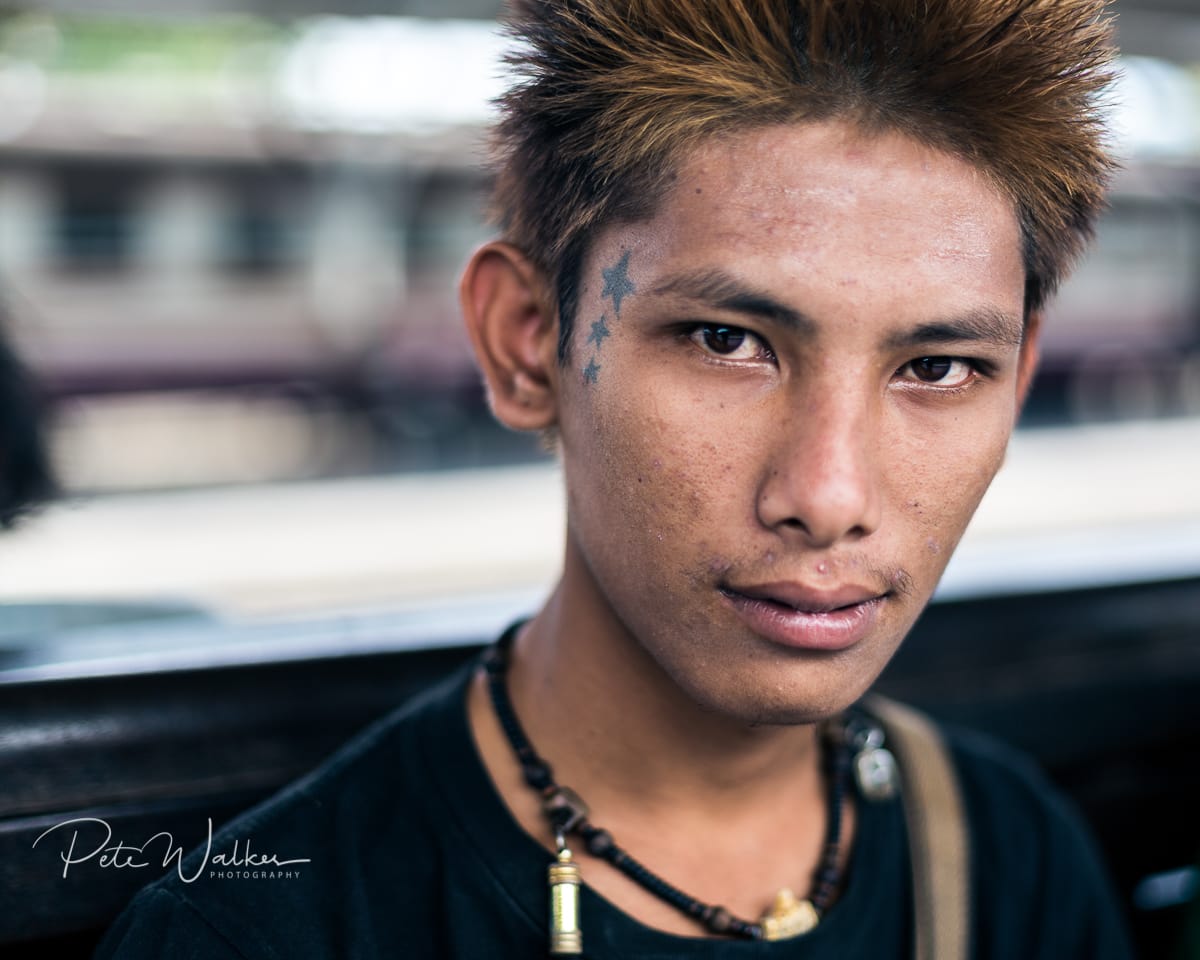
The idea behind a 100 Strangers project is simple: to take portraits of 100 people you’ve never met before. The portraits are usually taken out on the street and accompanied by a little information about each subject – their name and where they’re from, at a minimum. However, the photographer is encouraged to engage a little more with each person and find out something about them beyond the basics.
A 100 Strangers project is an exercise in stepping outside your comfort zone, both photographically and personally. I wasn’t a people photographer, nor was I particularly a people person. Up until that point, photography, for me, had been about observing and recording. I was a street and travel photographer – or perhaps the best way to describe my work would be a fusion of the two genres. I was inspired by the everyday life that surrounded me in Hong Kong, a world very different from the one I had grown up in back in England.
I’m also, by nature, an introvert. I don’t naturally seek out new people to talk to. It’s not that I can’t – I’m friendly and, I like to think, reasonably sociable. I spent many years working on the front line in a bank as a cashier (or teller, for our American readers). I would happily chat with customers about their day and what they were up to. However, those interactions were part of my job. I would never have thought of striking up the same sort of conversation in a pub or while queuing at Starbucks.
That’s what a 100 Strangers project does: it forces you to approach people you’ve never met, start a conversation and, ultimately, ask them if you can take their photograph.
When I first started the project, I did so with the photography group. We split into small groups of four and wandered around Victoria Park in Hong Kong. Having others alongside me took the edge off approaching people cold in the street. My group also included a local Hong Kong woman who helped bridge the language gap, particularly when approaching some of the older people in the park.
Victoria Park is also a popular meeting place for Indonesian domestic helpers, many of whom gather there on their one day off each week. This gave us another interesting group of people to meet and photograph.
Looking back, these first portraits are an interesting collection. There isn’t a particularly defined style or consistent crop; they’re quite random and eclectic. I think that lack of cohesion comes down to my being somewhat unprepared. I had done very little research into the project. I simply set off with my camera and hoped for the best.
At that stage, I was far more concerned about approaching people than I was about the photography itself. If I’m honest, I tended to cling to the coattails of my colleagues in the group. Even so, there are a couple of images from this first outing that I’m still quite proud of.


The second set of photographs in the project (above) were taken during a three-week holiday in Australia. Looking back, this was the point at which I first started to gain a little confidence. I made more of an effort to keep the cropping and framing consistent, and began to think a little more about the photographs themselves.
Being away from home also helped. There was an added sense of anonymity that gave me confidence. It’s a little crazy when you think about it because, when I started the project, I was living in the bustling metropolis of Hong Kong, where you’re just another face in the crowd. Yet being away from home seemed to provide an extra layer of protection, almost like having a safety net.
In essence, you’re highly unlikely to meet any of these people again, particularly if they say no. Although I was growing in confidence in Australia, when I look back at some of the photographs, it seems I lost a few IQ points as I took them! There are mistakes in some of the images, caused by the blind panic of trying to get the photograph as quickly as possible so as not to inconvenience the subject. My introverted nature was still very much in evidence.
Interestingly, some of the best photographs from this part of the project were of people I’d spent time with on a tour of the Outback. Having that little bit of time to get to know someone made a real difference.
For me, as an introvert, the fear of someone saying no is probably the biggest obstacle to succeeding with a 100 Strangers project.
You find yourself having an argument with yourself whenever you spot a potential subject. “Will they say no?” “They’re going to say no, aren’t they?” “Oh my God, if they say no, you’ll be so embarrassed!” That little voice inside your head can be incredibly debilitating.
As I discovered in Australia, being away from home helped to quieten that voice. But it’s worth remembering that even in your home town, the chances of anything bad happening, or of you ever bumping into someone who has turned you down, are incredibly slim.


I like to think that a camera is just a tool, although I don’t always manage to convince myself of that. Any photographer who tells you they don’t suffer from Gear Acquisition Syndrome (GAS) is probably a photographer with GAS!
One day, as a typhoon was approaching Hong Kong, I bought myself a full-frame Canon 5D Mark III. I was so pleased with my purchase that I sat at home holding it on my lap while watching films until the typhoon had passed. However, that purchase did give me the nudge I needed to get back out into the streets of Hong Kong and find some more strangers to photograph.
That new camera gave me another kind of mask to hide behind. Armed with my shiny new Canon 5D Mark III, I headed back out onto the streets of Hong Kong.
It was a public holiday, and I found myself approaching people sitting in Kowloon Park who were enjoying a day off work. This time, things felt different. I had a little patter prepared and even had business cards to hand out, so people could contact me if they wanted a copy of their photograph.
It was a turning point. Nobody shouted at me, nobody laughed, and nobody seemed particularly bothered by being asked. It proved that there really wasn’t much to fear after all. Perhaps the hardest part of the whole exercise had simply been getting over that initial fear of approaching people.
Almost overnight, it felt as though I’d got over my fears. My confidence had grown considerably, and I was soon heading off to Thailand with one purpose in mind: to photograph strangers!
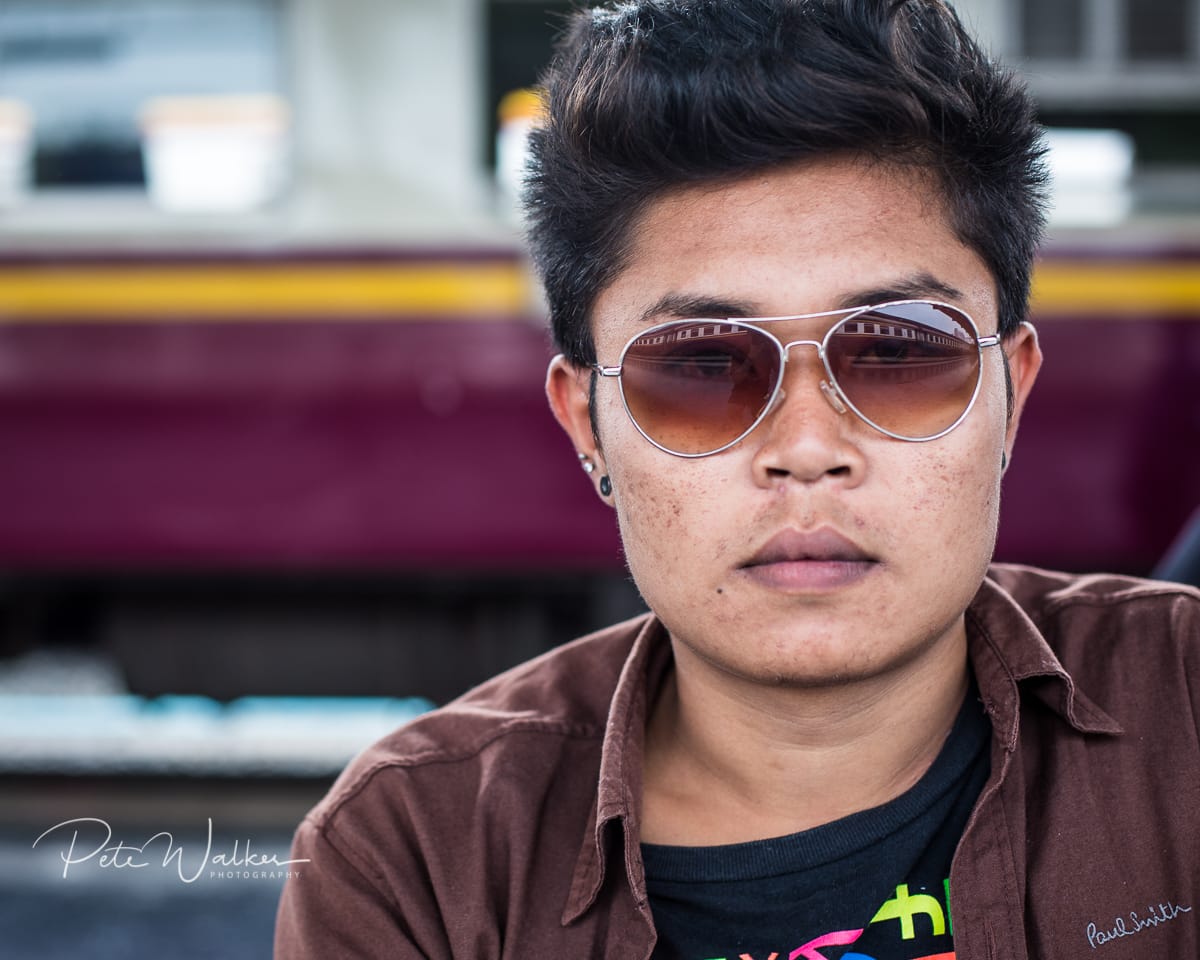
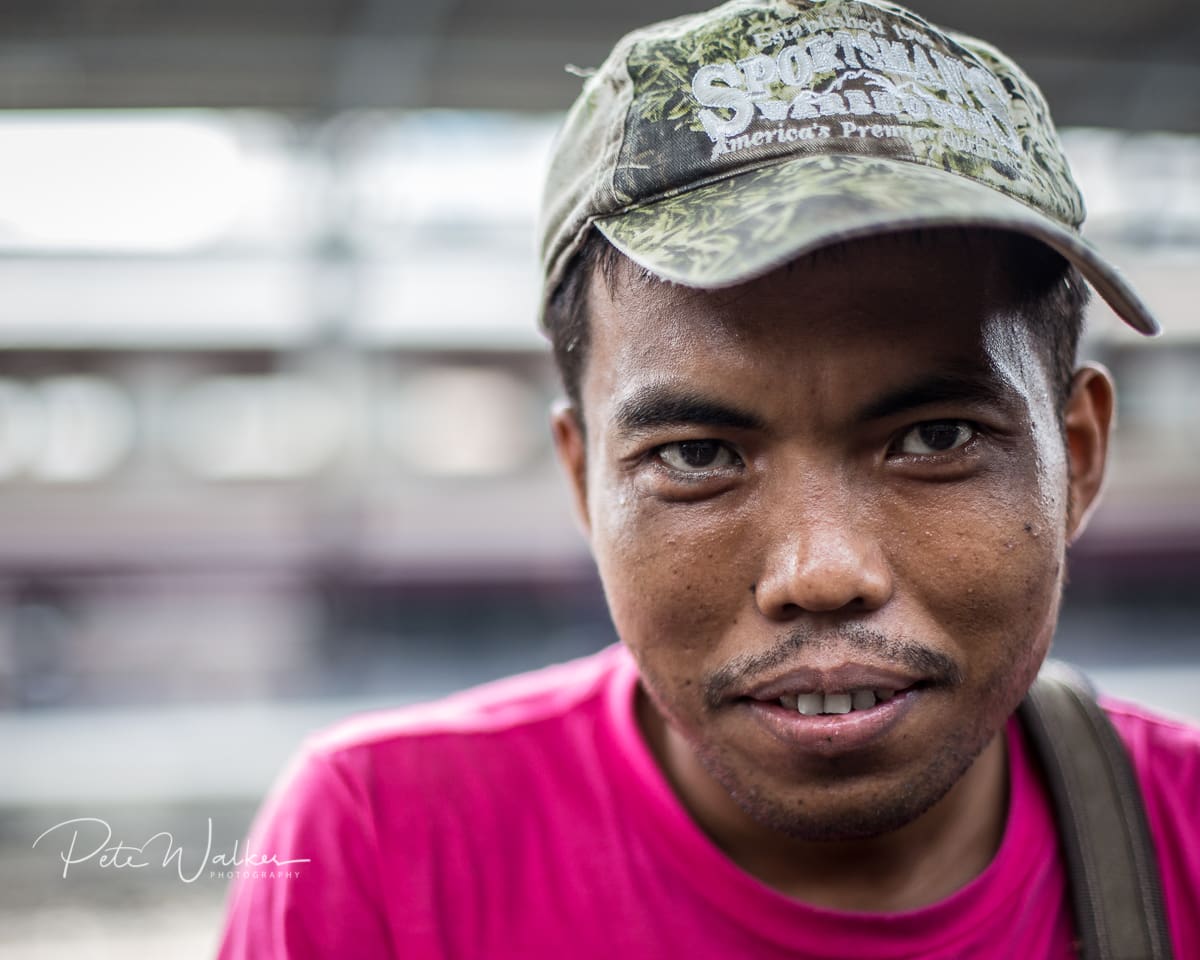
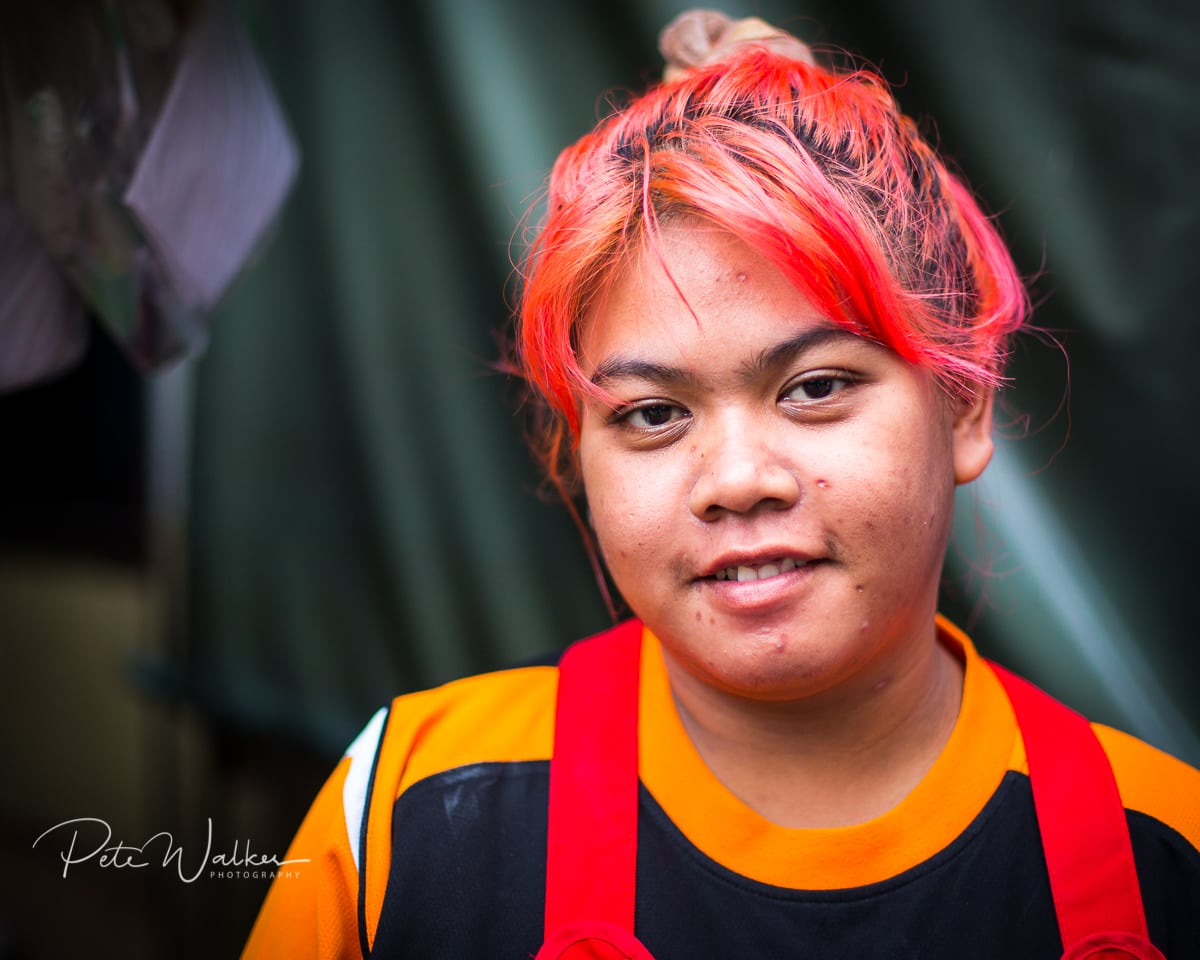
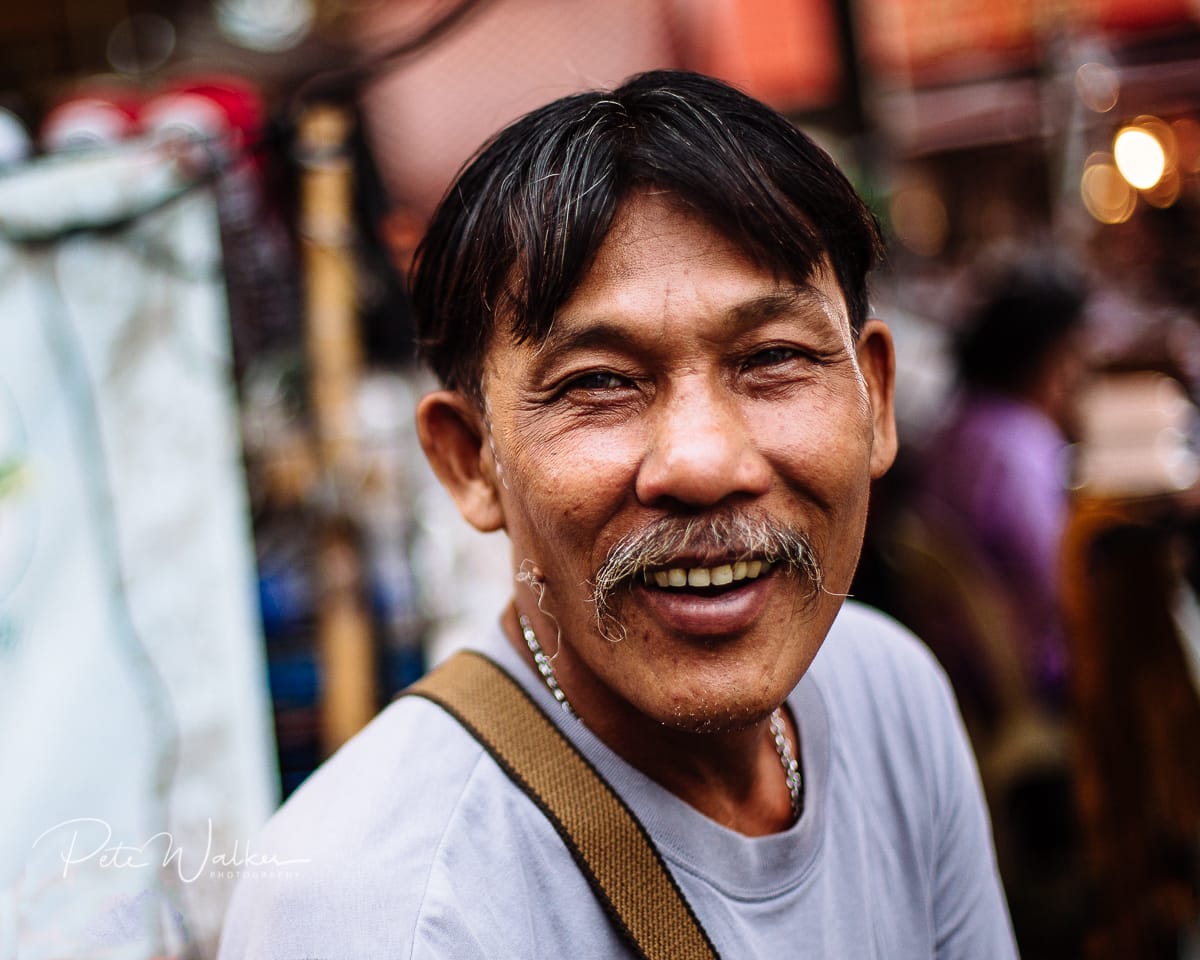
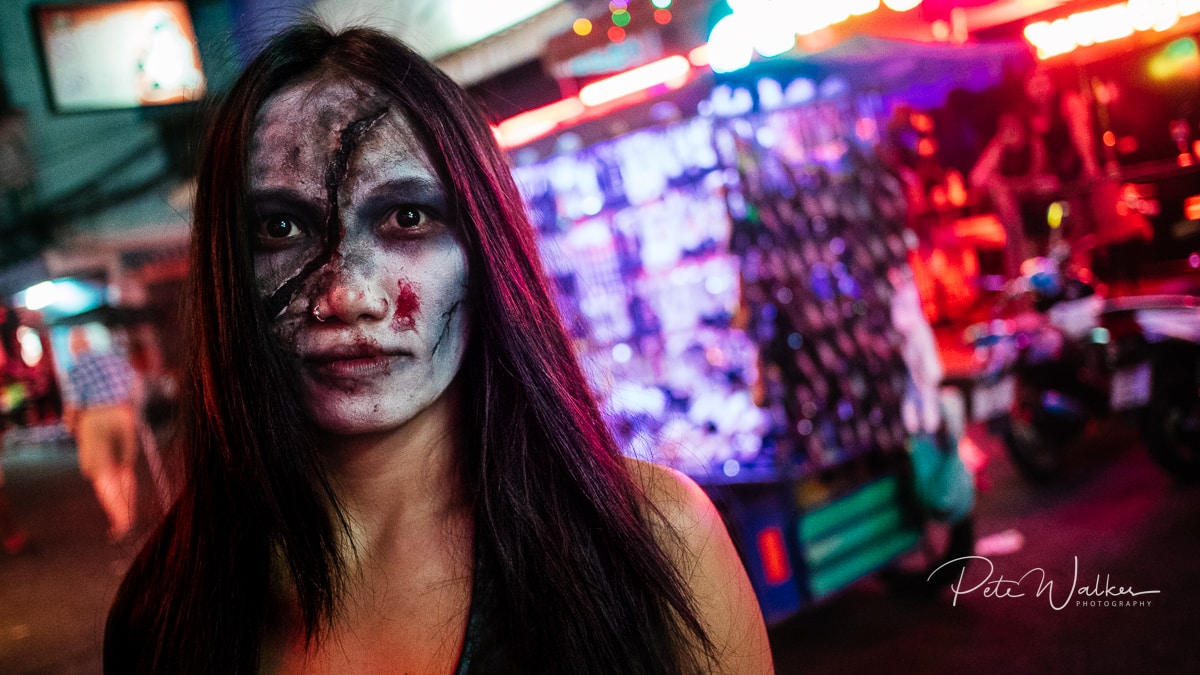
And Thailand was where I put that newfound confidence to the test. I spent a weekend walking the streets of Bangkok and Pattaya, camera in hand, looking for more strangers to photograph.
I was accompanied by Ann, my friend’s Thai girlfriend, who acted as my local guide and interpreter. Having someone with local knowledge alongside me was a real help, particularly when approaching people and overcoming the language barrier.
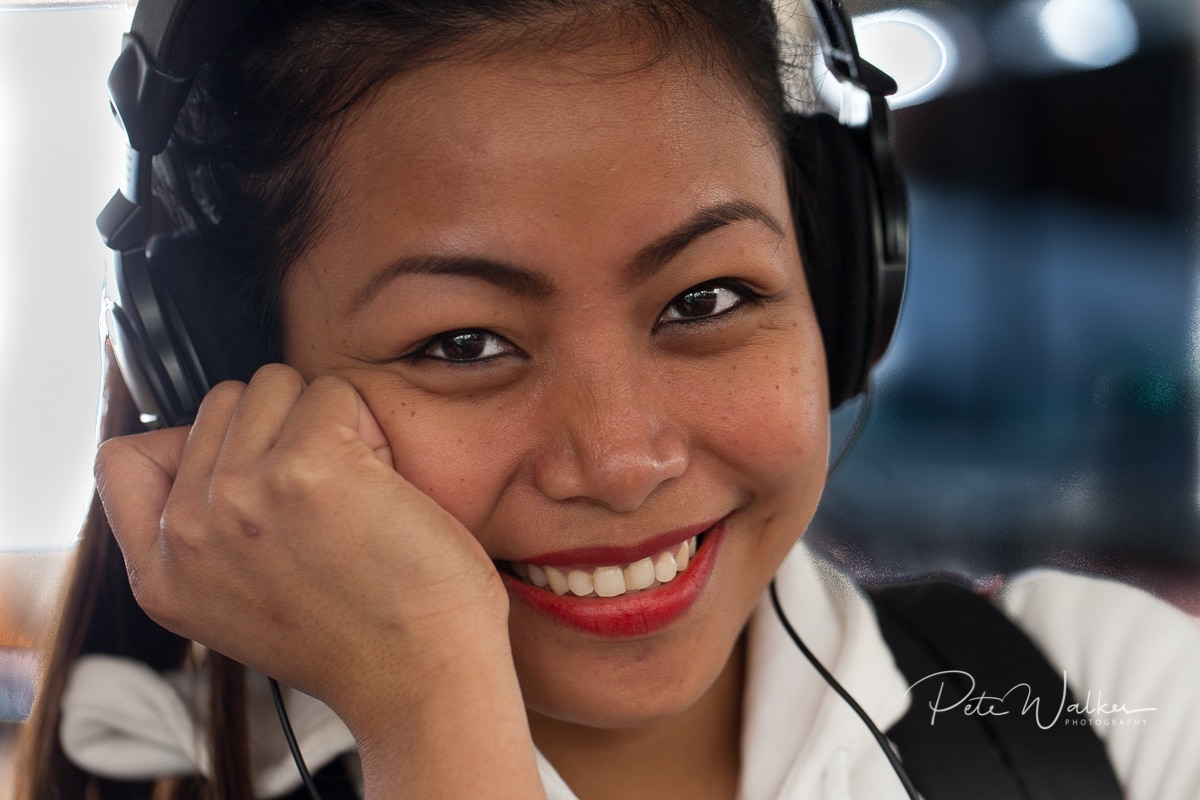
I came away from that weekend with 18 portraits for the project. There was, however, a slight break with the rules, as Ann herself makes an appearance in the 100! It was another step forward, and by now approaching strangers was beginning to feel much more natural.
My travels then took me to Macau, where I reached stranger number 50. It had taken around six months to get halfway to my target – quite an achievement for an introvert!
Mental perception plays a big part when you’re working on a project. Milestones can be useful, but they can also be harmful. For me, reaching 50 turned out to be a lousy milestone because it caused me to take my foot off the gas.
By the time I’d photographed 50 strangers, the project had almost done its job. It had pushed me out of my comfort zone and helped me overcome the fear of approaching people. In that respect, it had already achieved much of what I’d set out to do, and no longer needed to be my main focus.
That doesn’t mean I stopped taking portraits of strangers or street portraits. I’d developed a style, or perhaps a photographic voice, in these images. I simply slowed down. I was no longer actively looking for someone to photograph every time I went out, although I would still stop and take a portrait when someone caught my eye.


Keeping the Project Alive.
Although the project was no longer my main focus, I continued to add to it whenever the opportunity arose. I would still occasionally stop someone on the streets of Hong Kong and ask to take their portrait, although I was no longer actively seeking out strangers in the way I had at the beginning.
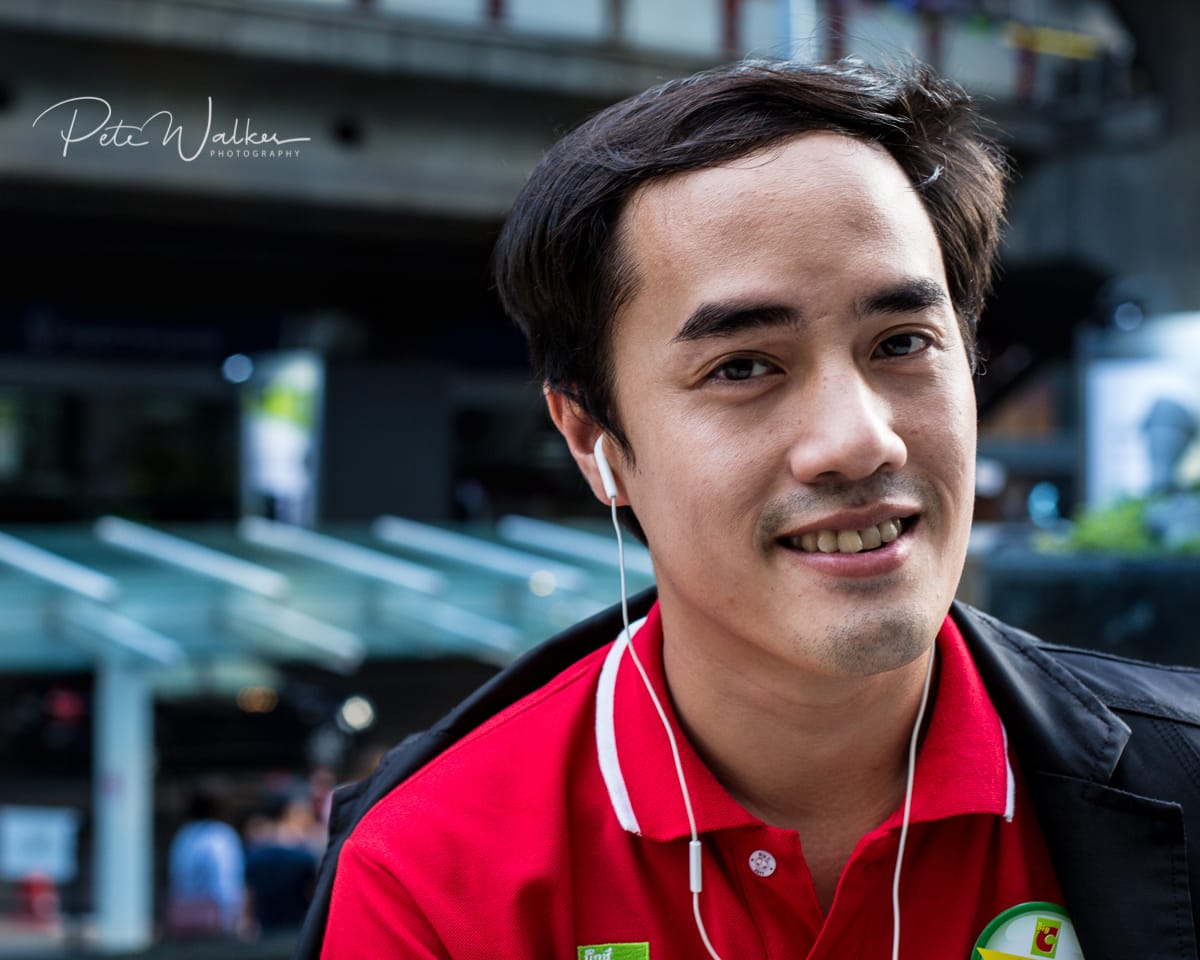
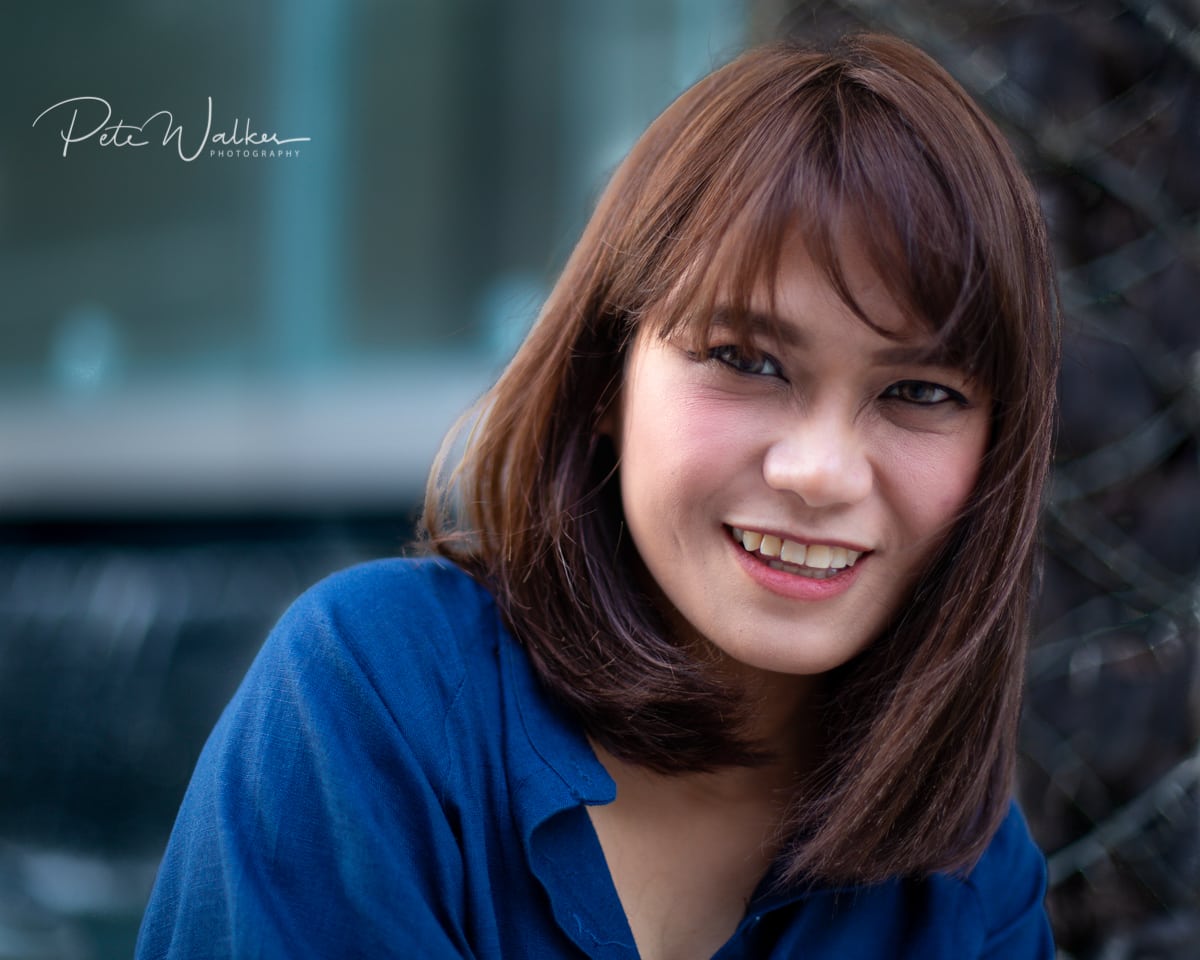
Further trips to Thailand also provided opportunities to add to the collection. This time, I was approaching people without the help of a local guide or interpreter, which was another little test of the confidence I’d gained. It was reassuring to discover that I could manage perfectly well on my own.
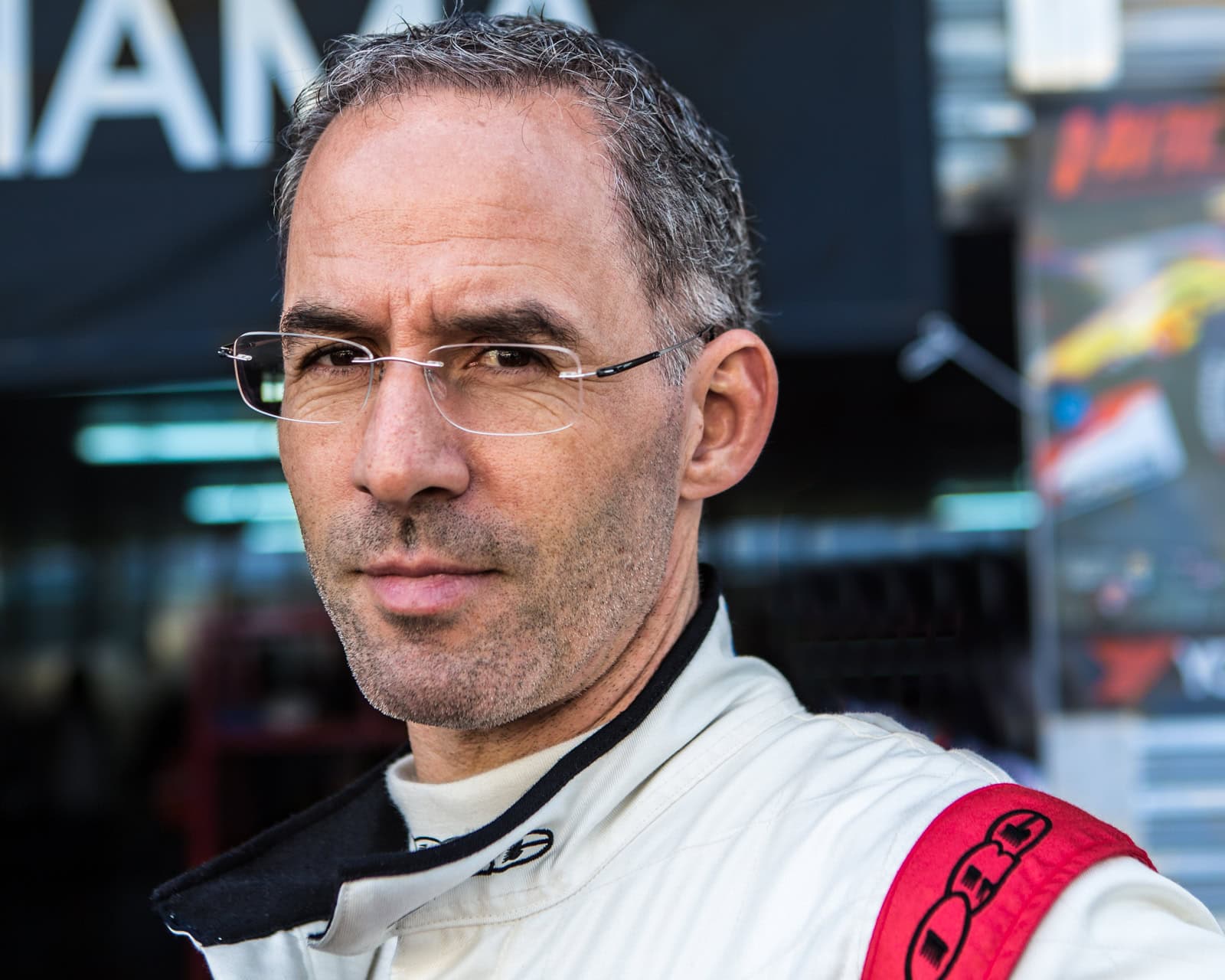
The project even gained a rather unexpected famous face along the way. During the 2013 Macau Grand Prix, I met Swiss touring car driver Alain Menu in the paddock. I took the opportunity to add him to the 100 Strangers collection – probably not the sort of stranger I’d expected to encounter when I first started the project!
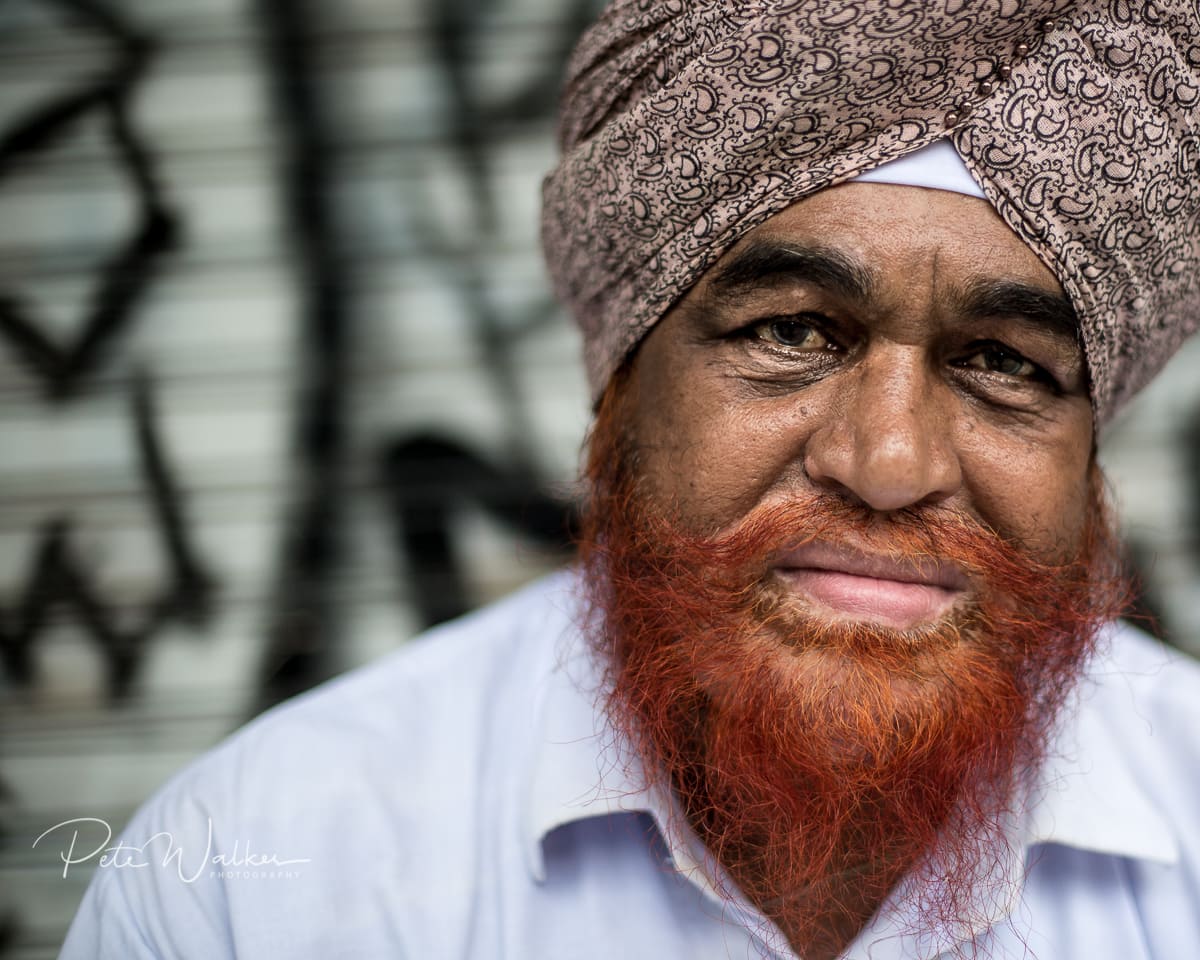
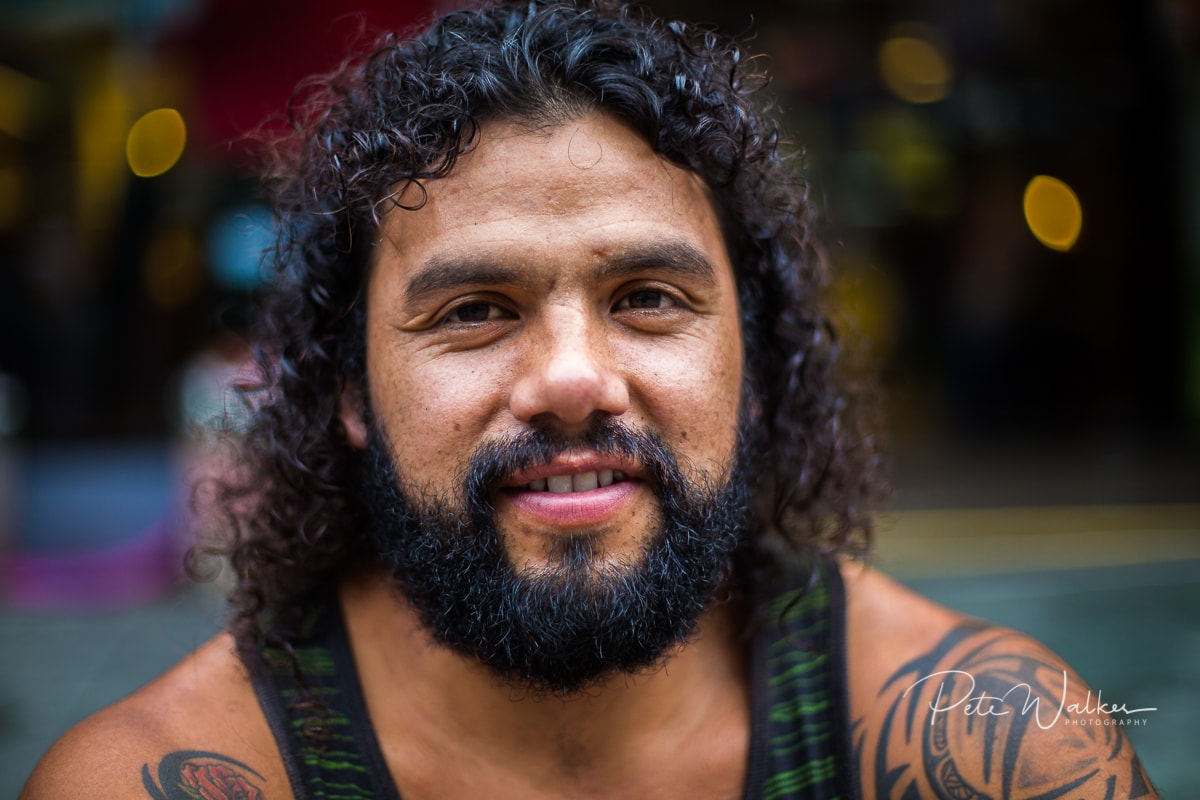
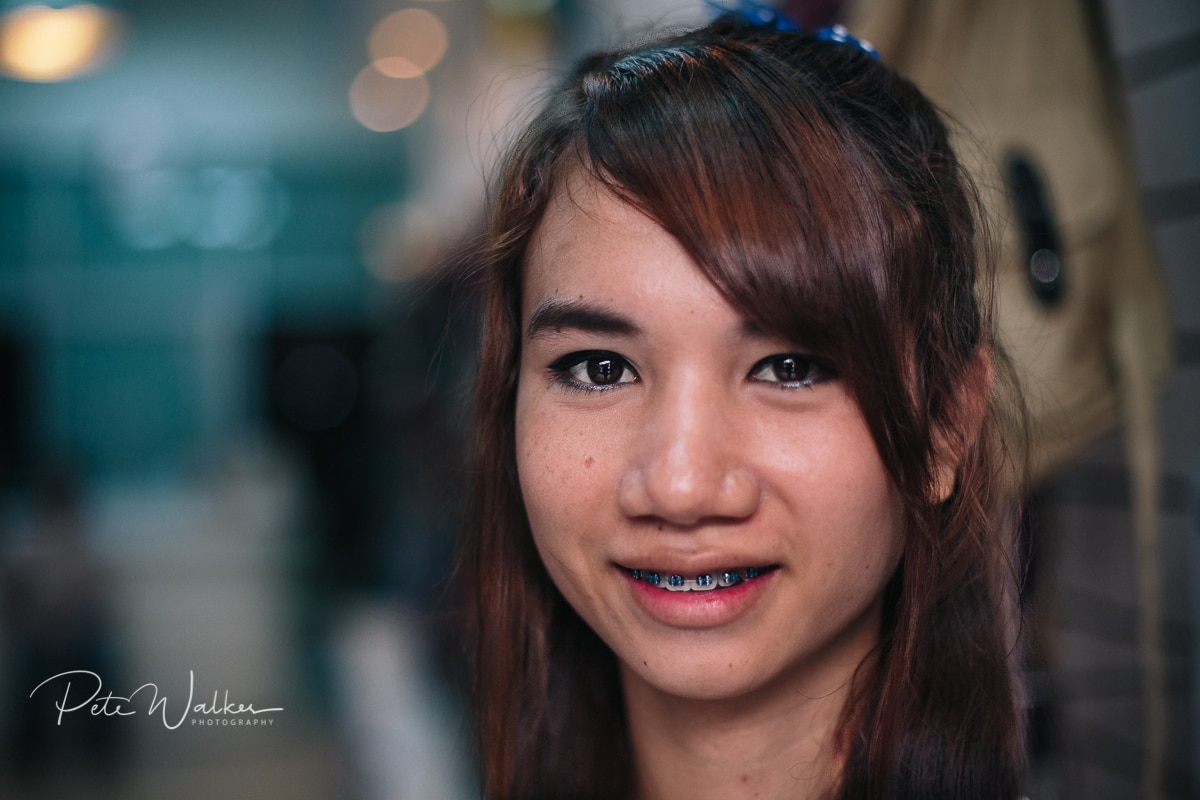
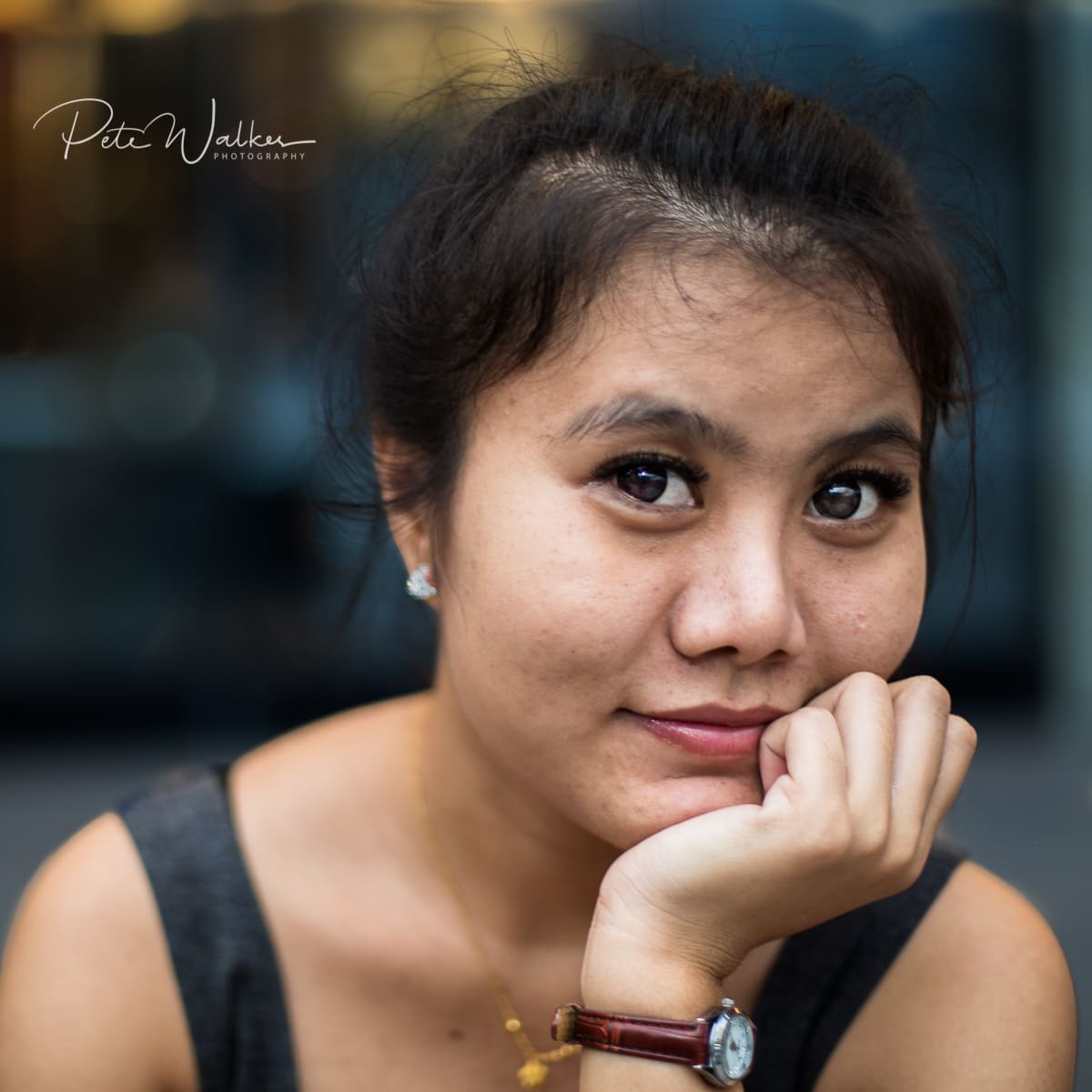
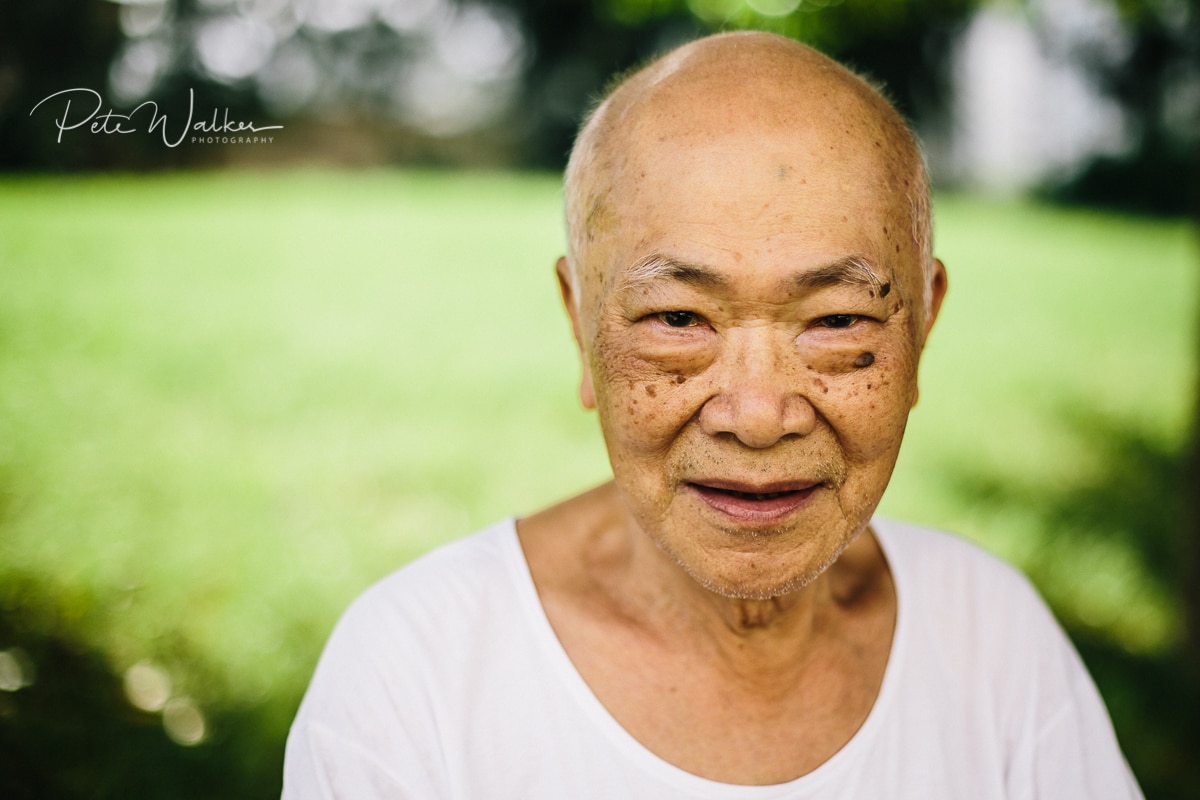
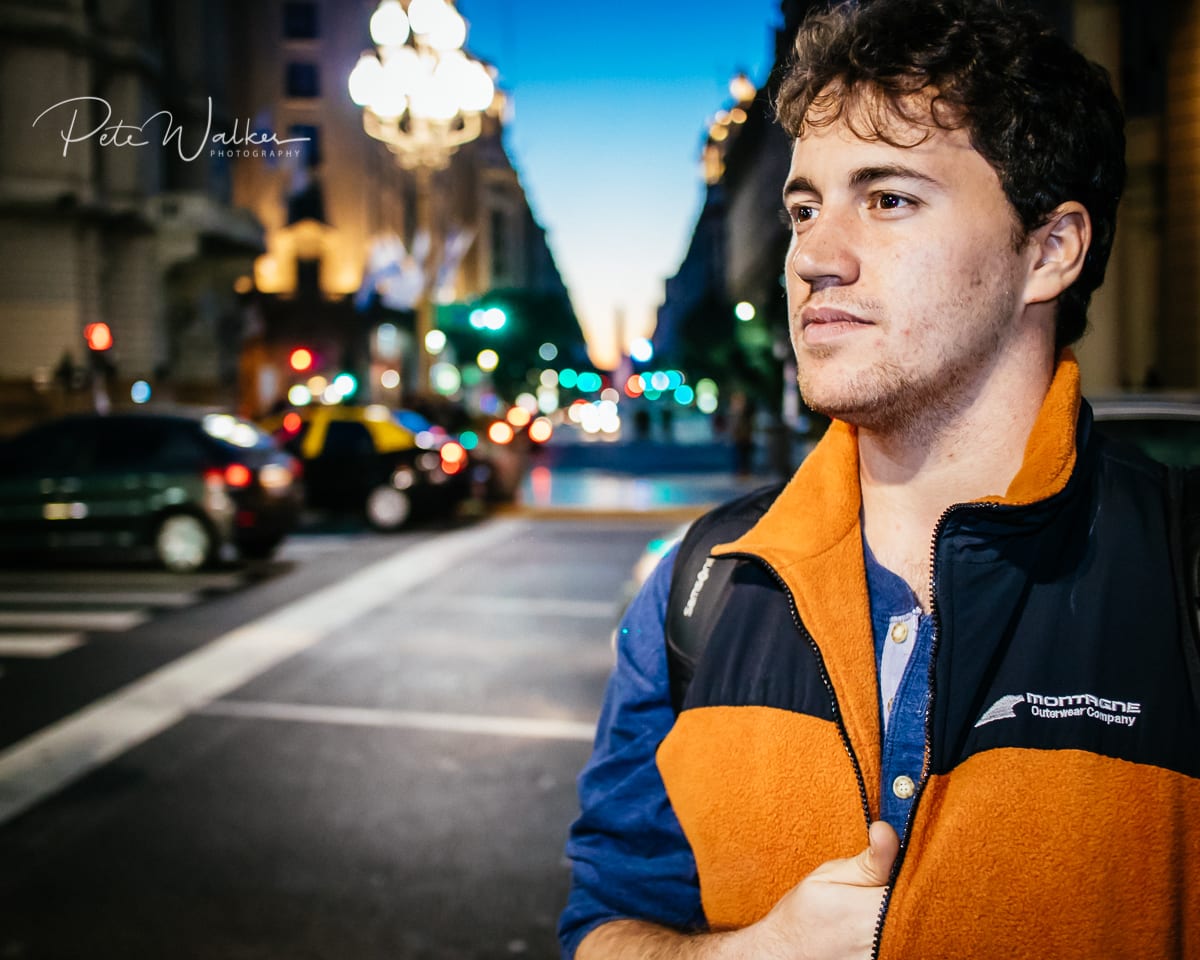
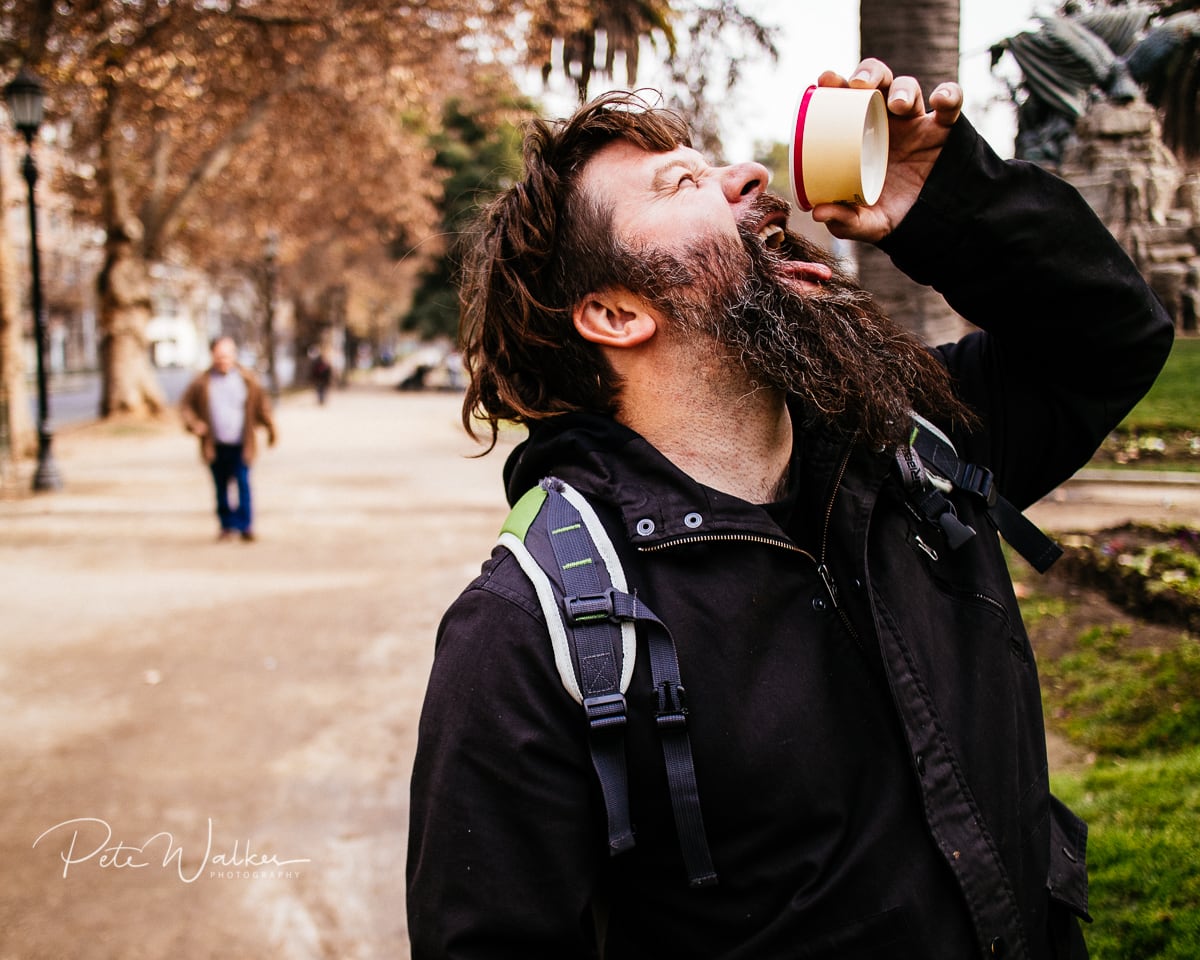
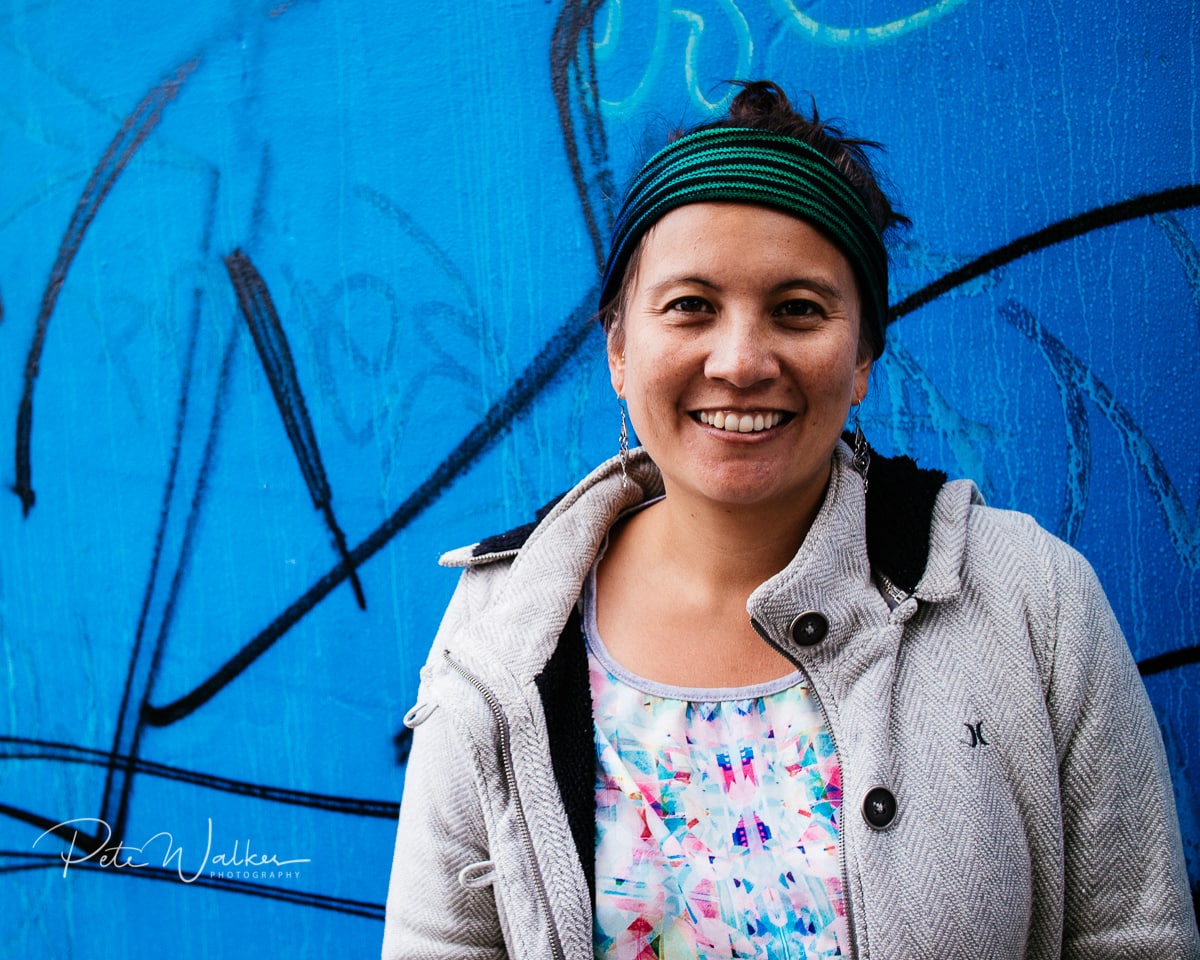
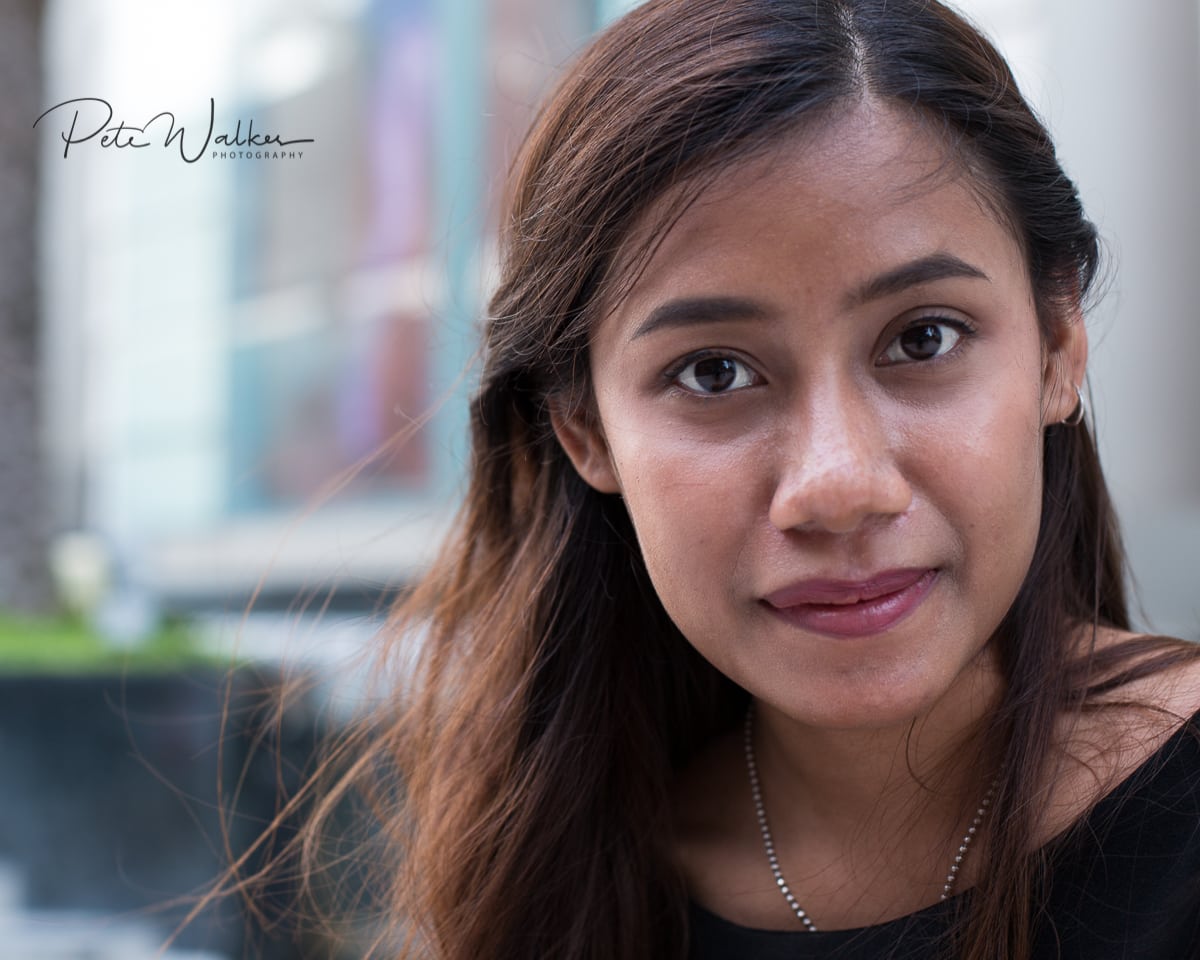
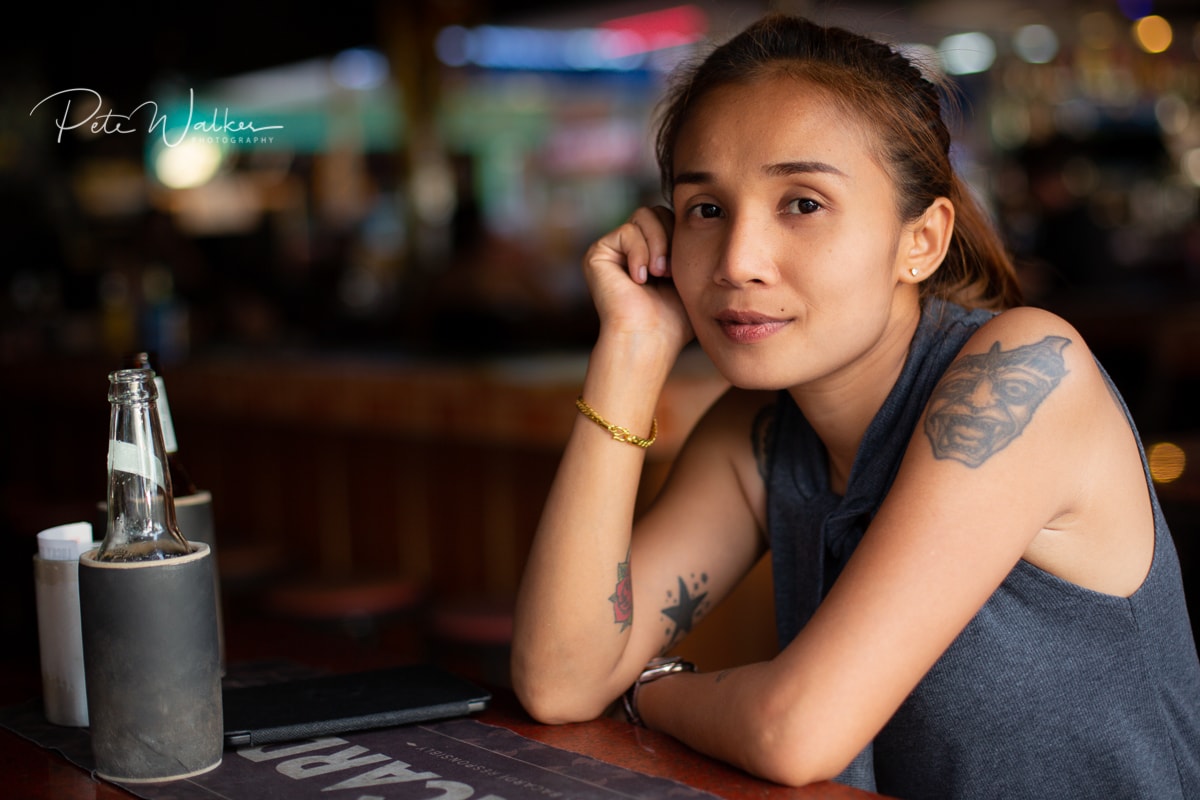
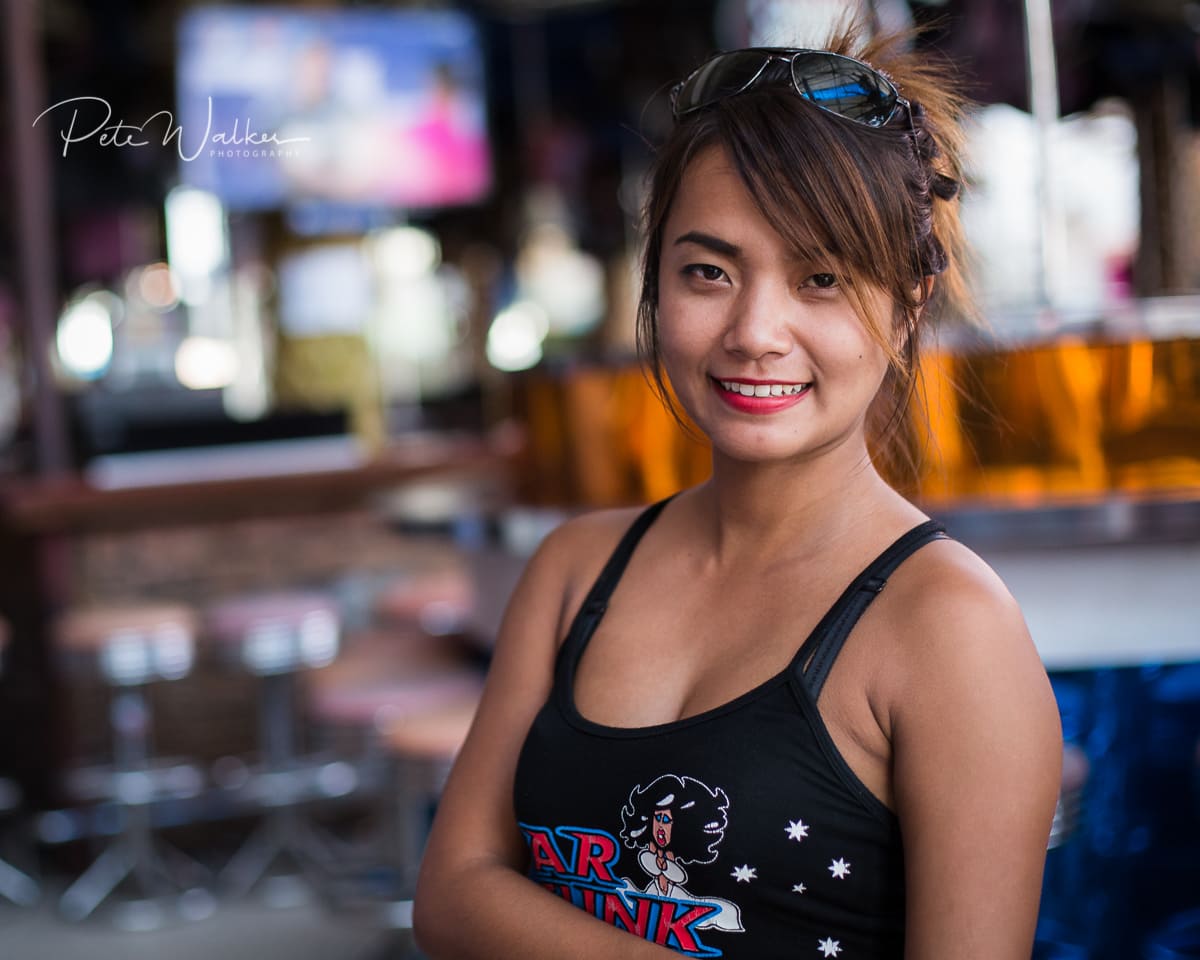
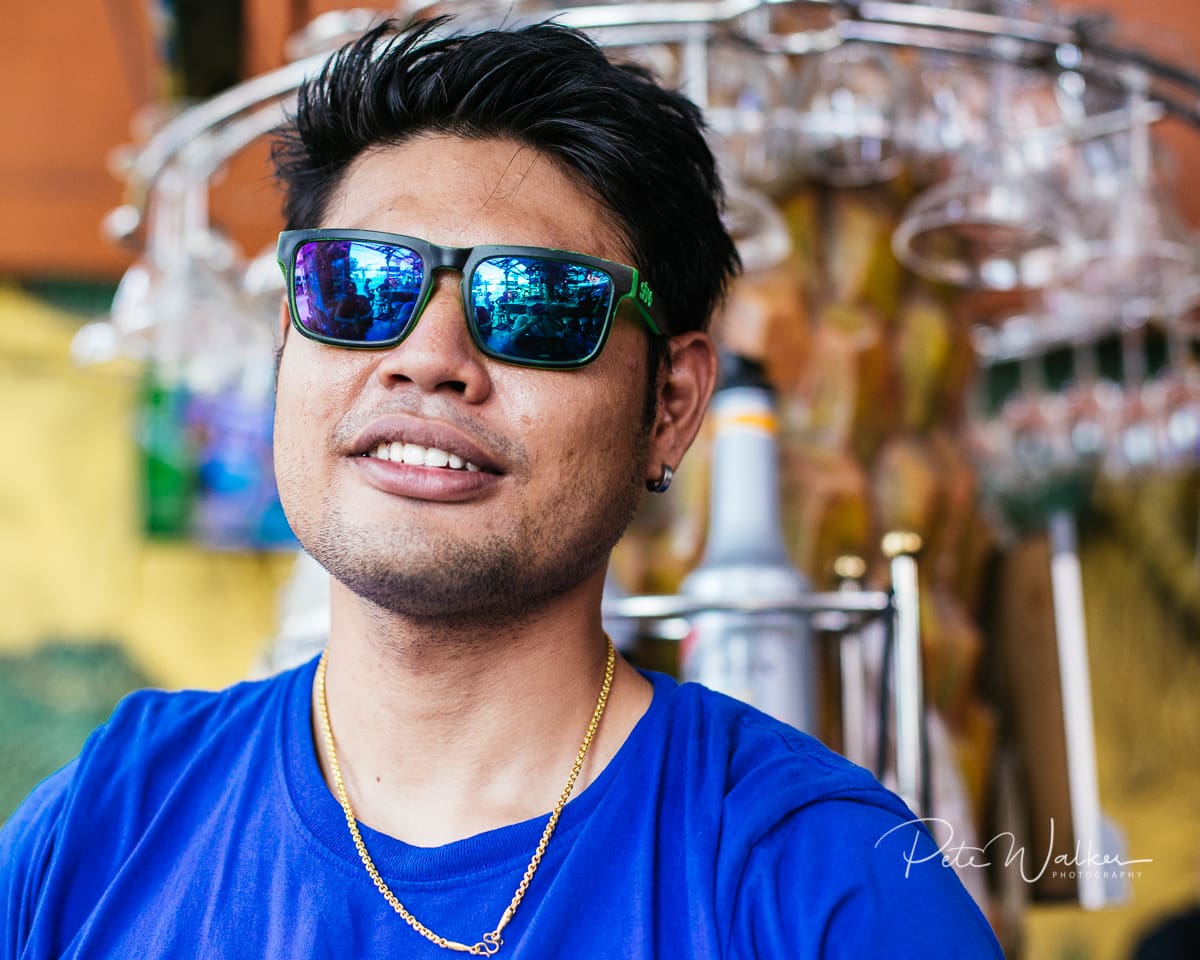

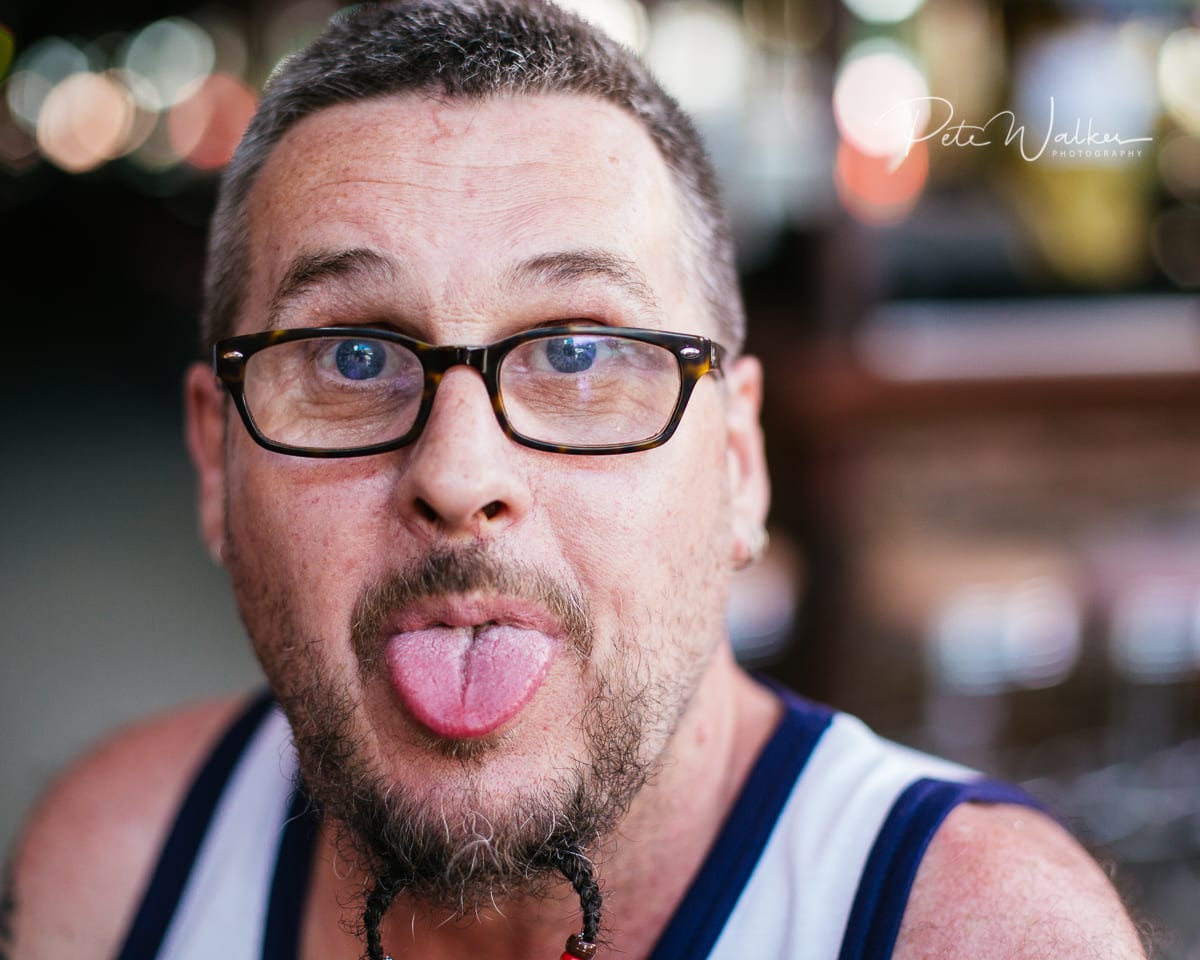
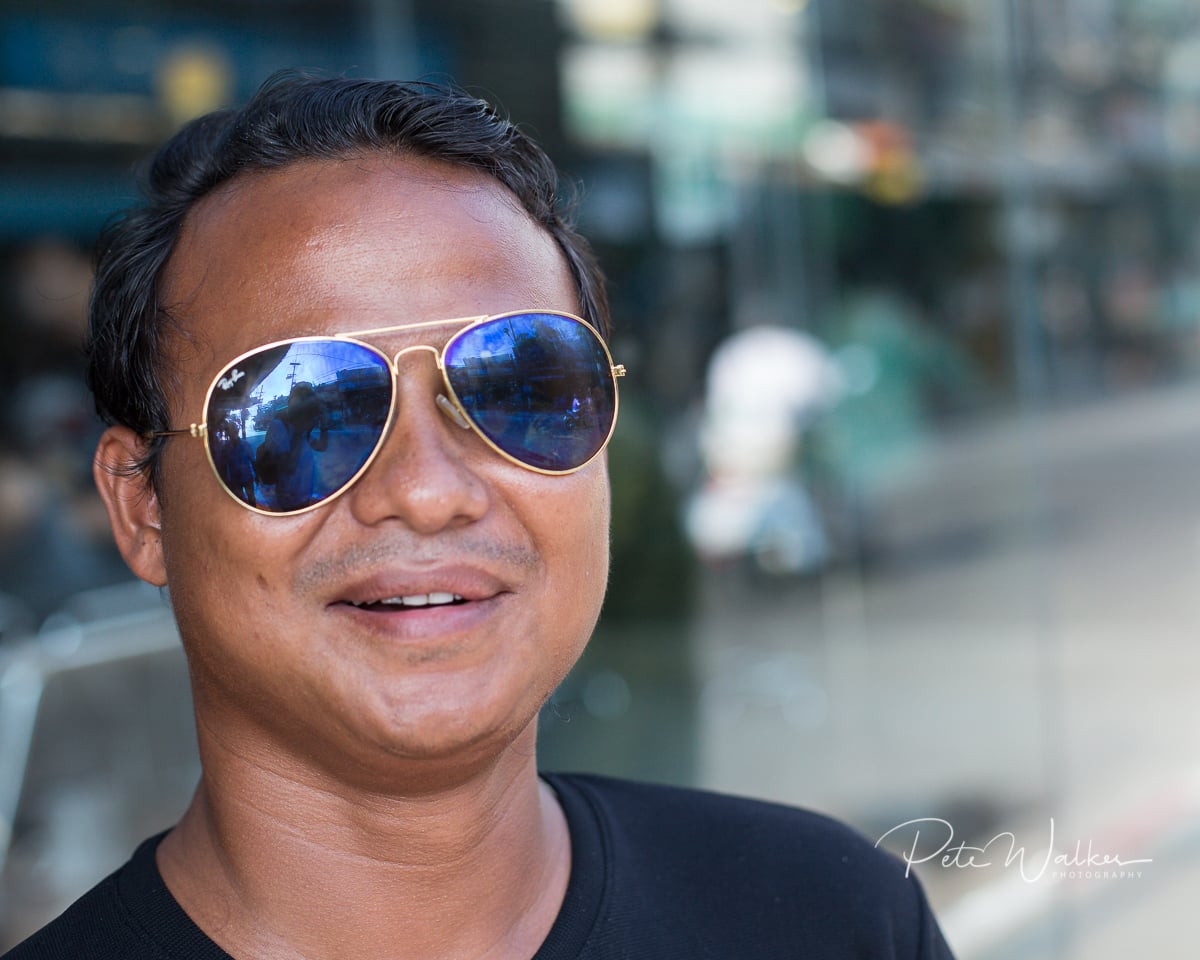
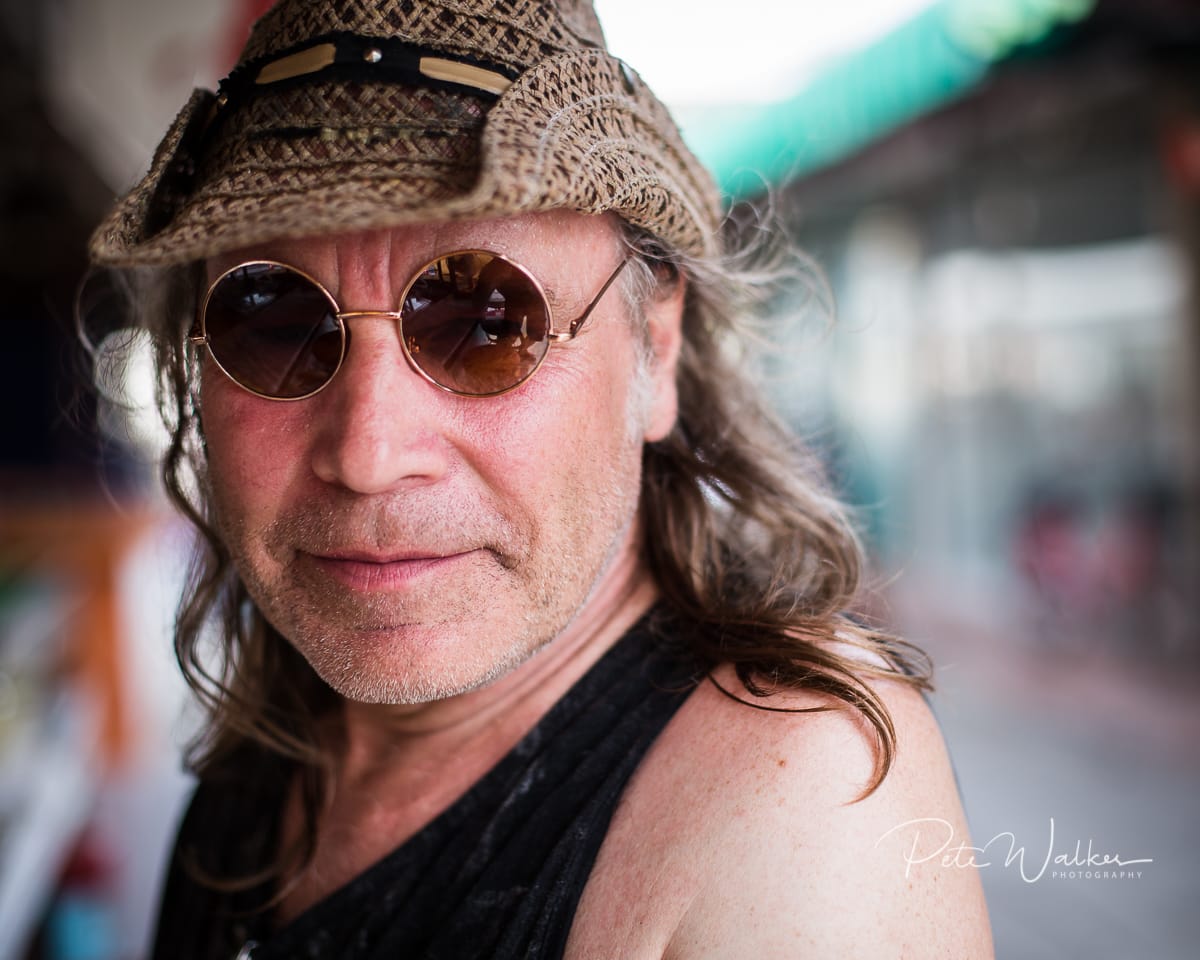

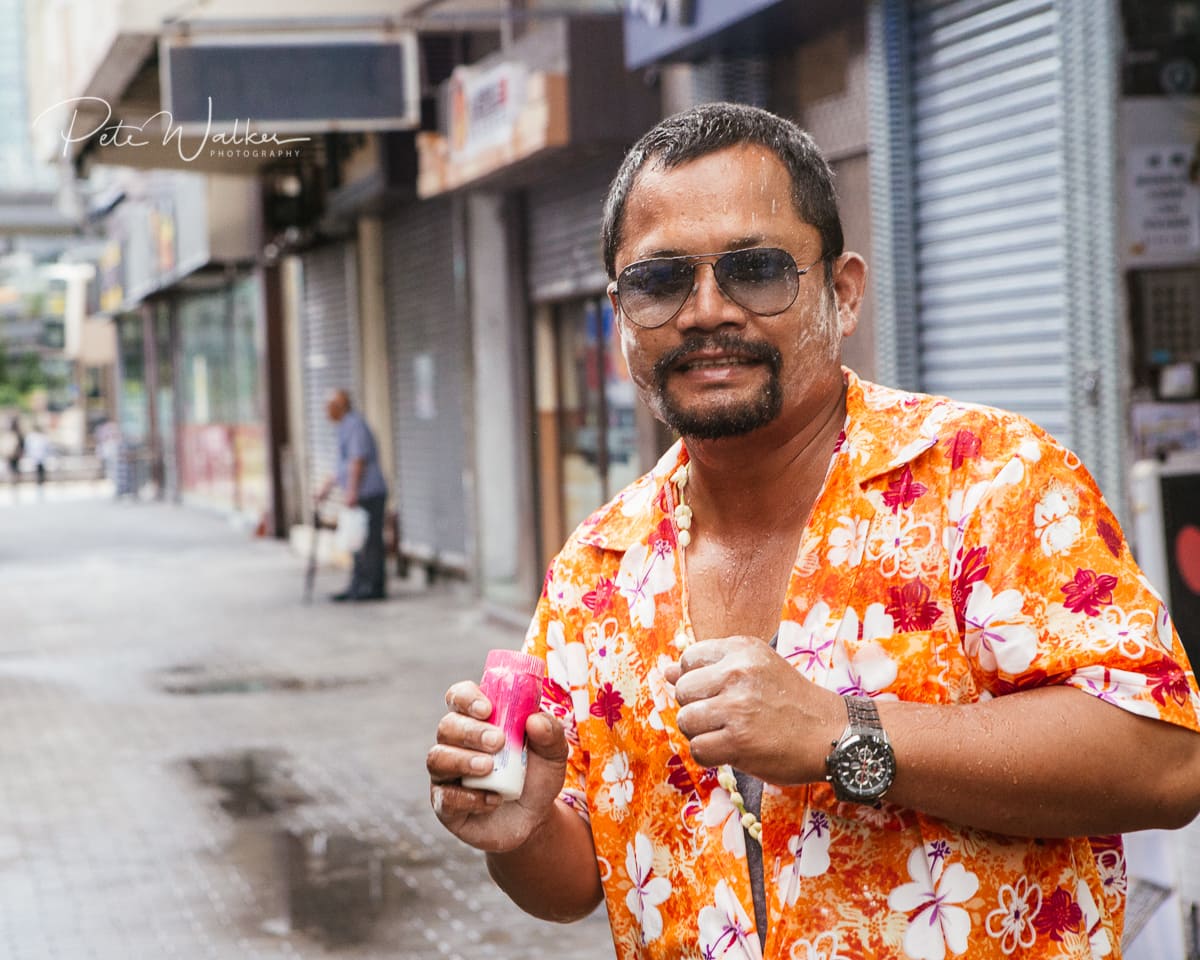

Bringing the Project to a Close
I eventually completed the project in 2018. It wasn’t the quickest 100 Strangers project ever undertaken, and if I’m honest, there were times when I took the easier route. My regular trips to Thailand provided a convenient opportunity to add to the numbers. Thai culture is generally relaxed and friendly, and I often found people more than happy to stop and have a chat, making it a relatively comfortable place to approach strangers.
Asia was a fabulous place to undertake the majority of this project. Living in Hong Kong and travelling regularly around the region gave me plenty of opportunities to meet and photograph people from different backgrounds and walks of life.
One thing I do regret, though, is coming away with just three portraits of strangers from my trip to South America. Looking back, I think this was partly because I felt like a fish out of water. I was away from what had, by then, become my Asian home, and perhaps I hadn’t quite found the confidence to approach people in the same way.
So, six years after starting out, I finally reached 100. The project had certainly taken me out of my comfort zone, changed the way I approached people and, I think, made me a better photographer.
Now that I’m living back in the UK, I sometimes wonder whether I should start all over again. It would be interesting to see what a new collection of 100 strangers might look like, this time featuring the faces of modern Britain. Perhaps there’s another project waiting to happen!


Interesting Posts you may have missed